Shop Books

354 books available

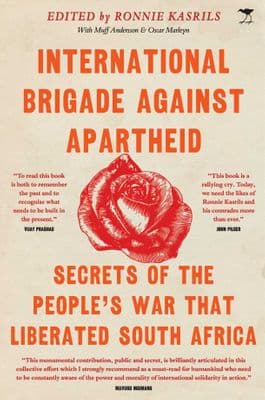
International Brigade Against Apartheid. Secret's of the People's War That Liberated South Africa
Low Stock (1 left)

International Brigade Against Apartheid. Secret's of the People's War That Liberated South Africa

Ronnie Kasrils (ed)

This book reads like a war-time thriller. We hear for the first time from internationalists who secretly worked for the ANC's armed wing, Umkhonto We Sizwe (MK), in the struggle to liberate South Africa from apartheid rule. They acted as couriers, provided safe houses in the neighbouring states and within South Africa, helped infiltrate combatants across borders, and smuggled tonnes of weapons into the country in the most creative of ways. Driven by a spirit of international solidarity, they were prepared to take huge risks and face danger which dogged them at every turn. At least three were captured and served long terms of imprisonment, while others were arrested and, following international pressure, deported. They reveal what motivated them as volunteers, not mercenaries, who gained nothing for their endeavours save for the self-esteem in serving a just cause. Against such clandestine involvement, the book includes contributions from key role players in the international Anti-Apartheid Movement (AAM) and its public mobilisation to isolate the apartheid regime. These include worldwide campaigns like Stop the Sports Tours, boycotting South African products, and black American solidarity. The Cuban, East German and Russian contributions outline those countries' support for the ANC and MK. The public, global AAM campaigns provide the dimension from which internationalists who secretly served MK emerged. This is an invaluable historic resource, explaining in highly readable style the significance of international solidarity for today's youth in challenging times. ABOUT THE AUTHOR Ronnie Kasrils is author of the best-selling memoir Armed & Dangerous, which has been translated into German, Russian and Spanish, A Simple Man, the Alan Paton Award-winning The Unlikely Secret Agent, and Catching Tadpoles which has been translated into French. A commander in Umkhonto weSizwe from its inception in 1961 until 1990, he served in government from 1994 to his resignation as minister for intelligence in 2008. He describes himself as a social activist and lives in Johannesburg.

£16.95Member: £0.00
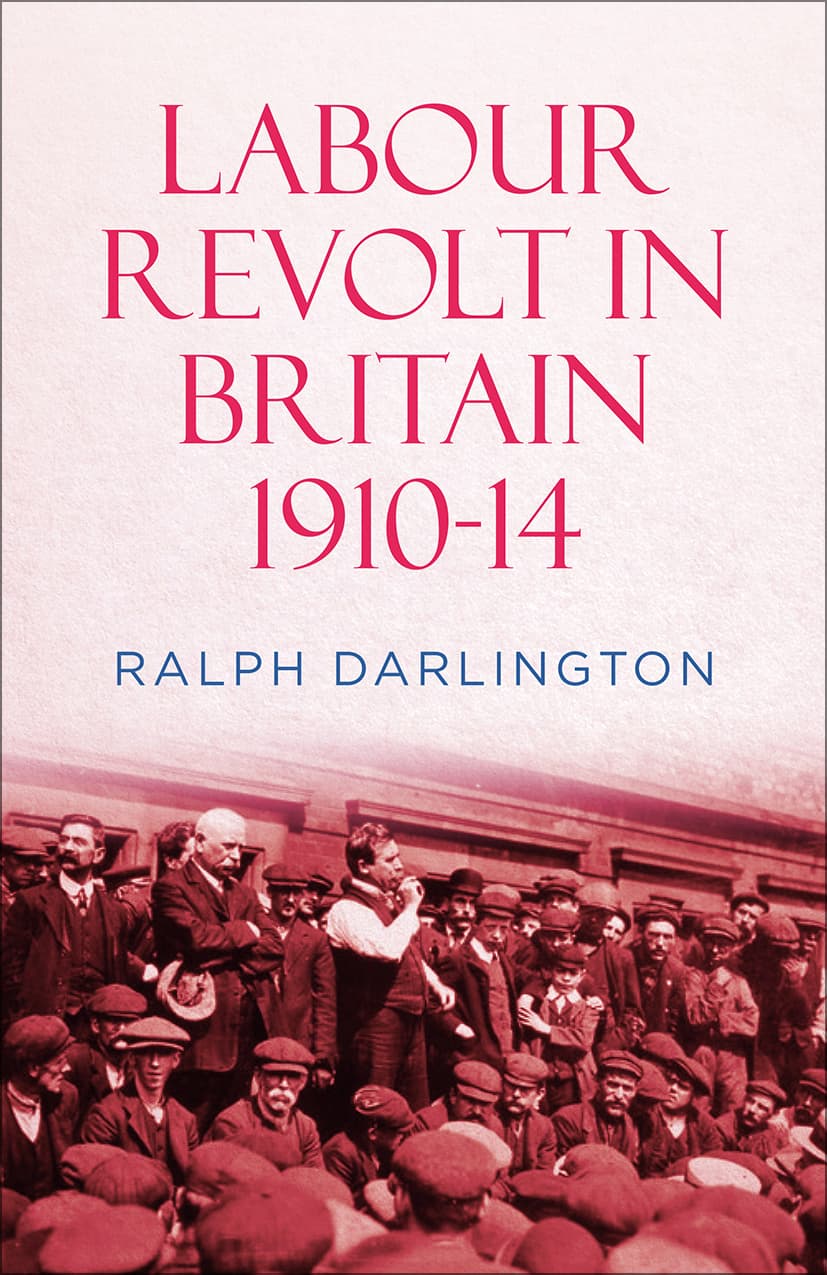
Labour Revolt in Britain 1910-14.
Out of Stock

Labour Revolt in Britain 1910-14.

Ralph Darlington

New insights into one of the most important episodes in British labour history The Labour Revolt that swept Britain in the early 20th century was one of the most sustained, dramatic and violent explosions of industrial militancy and social conflict the country has ever experienced. It involved large-scale strikes by miners, seamen, dockers, railway workers and many others, and was dominated by unskilled and semi-skilled workers, many acting independently of trade-union officials. Amidst this powerful grassroots energy, the country saw widespread solidarity action, phenomenal union membership growth, breakthroughs in both industrial unionism and women's union organisation, and a dramatic increase in the collective power of the working-class movement. It heralded political radicalisation that celebrated direct action and challenged head-on the Liberal government and police and military, as well as parliamentary reformism of the Labour Party. Exploring the role of the radical left and the relationship between industrial struggles and political organisation, with new archival research and fresh insights and combining history from below and above, Ralph Darlington provides a multi-dimensional portrayal of the context, causes, actors, dynamics and contemporary significance of the Labour Revolt. Ralph Darlington is Emeritus Professor of Employment Relations at Salford University. His books include Glorious Summer and Radical Unionism. His research has been featured in national newspapers, and radio and television.
Price on request
Contact for Pricing
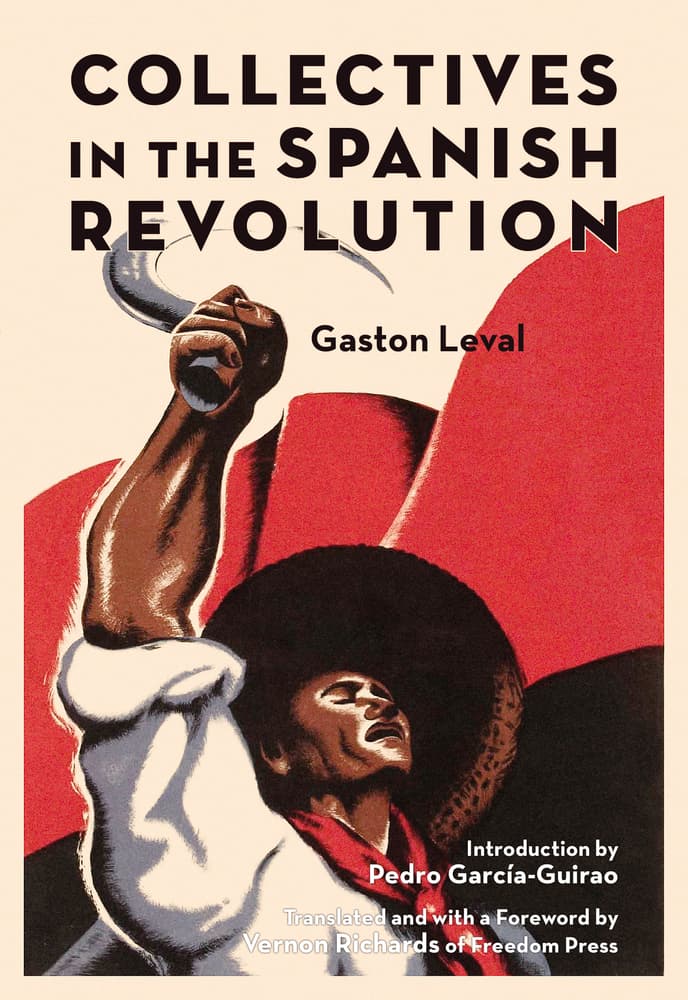
Collectives in the Spanish Revolution
Low Stock (1 left)

Collectives in the Spanish Revolution

Gaston Leval

Gaston Leval's study brings together two aspects that are generally difficult to unite--analysis and testimony. He visited the towns and villages of revolutionary Spain where people had opted to live a libertarian communist lifestyle almost without precedent in history, collectivizing the land, factories, and social services. Collectives in the Spanish Revolution demonstrates clearly that the working class are perfectly capable of running farms, factories, workshops, and health and public services without bosses or managers. It proves that anarchist methods of organizing, with decisions made from the bottom up, can work effectively in large-scale industry, involving the coordination of many thousands of workers in many hundreds of places of work across numerous cities and towns, as well as broad rural areas. Leval's history of anarchy in action also gives insight into the creative and constructive power of ordinary people. The Spanish working class not only kept production going throughout the war, but in many cases managed to achieve increases in output. They improved working conditions and created new techniques. They created, out of nothing, an arms industry without which the war against fascism could not have been fought. The revolution also showed that without the competition bred by capitalism, industry can be run in a much more rational manner. Finally it demonstrated how an organized working class has the power to transform society.

£23.99Member: £0.00
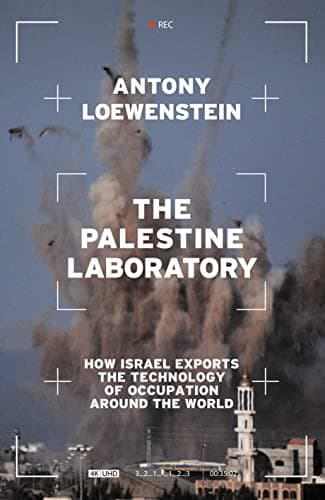
The Palestine Laboratory. How Israel Exports the Technology of Occupation Around the World
Low Stock (4 left)

The Palestine Laboratory. How Israel Exports the Technology of Occupation Around the World

Antony Loewenstein

How Israel makes a killing from the occupation of Palestine **WINNER OF THE 2023 WALKLEY NON FICTION JOURNALISM PRIZE** **Finalist for the 2023 Moore Prize for Human Rights Writing** Israel’s military industrial complex uses the occupied, Palestinian territories as a testing ground for weaponry and surveillance technology that they then export around the world to despots and democracies. For more than 50 years, occupation of the West Bank and Gaza has given the Israeli state invaluable experience in controlling an “enemy” population, the Palestinians. It’s here that they have perfected the architecture of control. Best-selling journalist Antony Loewenstein, author of Disaster Capitalism, uncovers this largely hidden world in a global investigation with secret documents, revealing interviews and on-the-ground reporting. This book shows in-depth, for the first time, how Palestine has become the perfect laboratory for the Israeli military-techno complex: surveillance, home demolitions, indefinite incarceration and brutality to the hi-tech tools that drive the 'Start-up Nation'. From the Pegasus software that hacked Jeff Bezos' and Jamal Khashoggi’s phones, the weapons sold to the Myanmar army that has murdered thousands of Rohingyas and drones used by the European Union to monitor refugees in the Mediterranean who are left to drown. Israel has become a global leader in spying technology and defence hardware that fuels the globe’s most brutal conflicts. As ethno-nationalism grows in the 21st century, Israel has built the ultimate model.

£12.99Member: £0.00
PreviousPage 8 of 15Next