12 books available
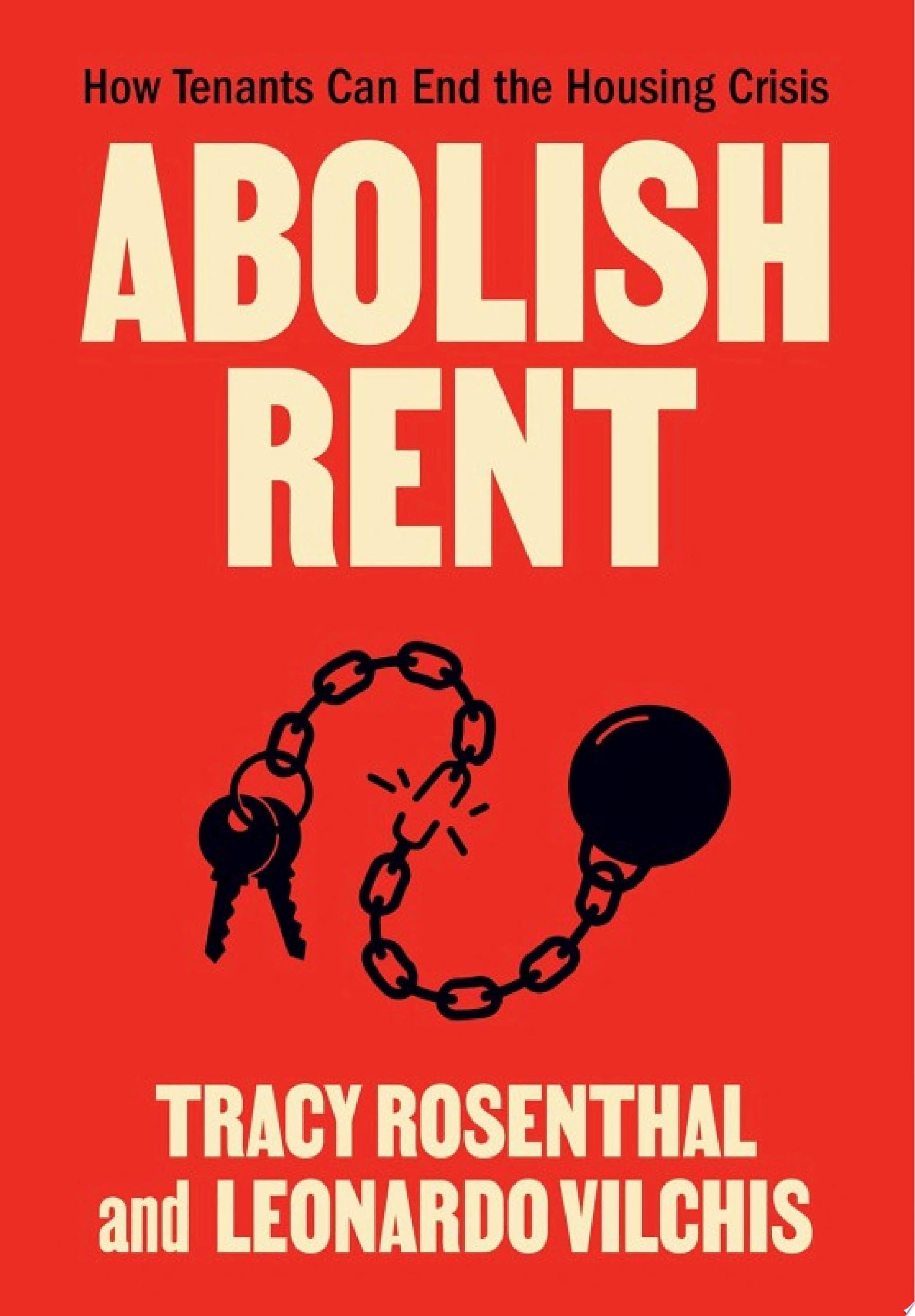
Tracy Rosenthal & Leonardo Vilchis
Abolish Rent takes aim at one of the foremost engines of inequality and injustice. Rent drives millions to debt, despair, and onto the streets. The social cost of rent is too damn high. Written for anyone fed up with the permanent housing crisis, complicit politicians, and real estate greed, Abolish Rent dissects our housing system from the perspective of those it immiserates. Through brisk, unequivocating analysis and striking stories of resistance, it shows us how tenants can, through organizing and collective action, finally rebalance the scales. From two co-founders of the largest tenants union in the country, this deeply reported account of the resurgent tenant movement centers poor and working-class people who are fighting back, staying put, and remaking the city in the process. Authors Tracy Rosenthal and Leonardo Vilchis take us to trilingual strategy meetings, raucous marches against gentrification, and daring eviction defenses where immigrants put their lives on the line. These are the seeds of the revolutionary movement we need to make our housing, our cities, and the world our home.
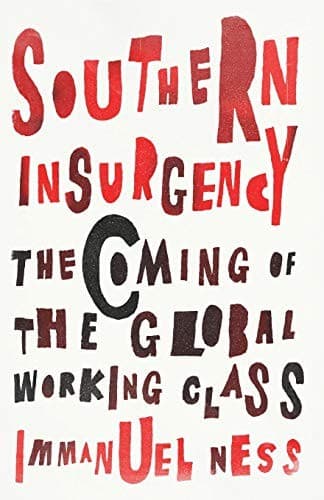
Immanuel Ness
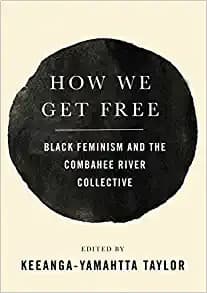
Keeanga-Yamahtta Taylor (ed)
"In the last several years, Black feminism has reemerged as the analytical framework for the activist response to the oppression of trans women of color, the fight for reproductive rights, and, of course, the movement against police abuse and violence. The most visible organizations and activists connected to the Black Lives Matter movement speak openly about how Black feminism shapes their politics and strategies today. The interviews I have compiled in this book -- with the three authors of the Combahee River Collective Statement, Barbara Smith, Beverly Smith, and Demita Frazier, #BlackLivesMatter cofounder Alicia Garza, and historian and activist Barbara Ransby -- are an attempt to show how these politics remain historically vibrant and relevant to the struggles of today. As Demita Frazier says, the point of talking about Combahee is not to be nostalgic; rather, we talk about it because Black women are still not free." --
Nora Samaran
Nurturance culture is the inverse of abuse and patriarchy; its practice could be answer to systemic violence and oppression.
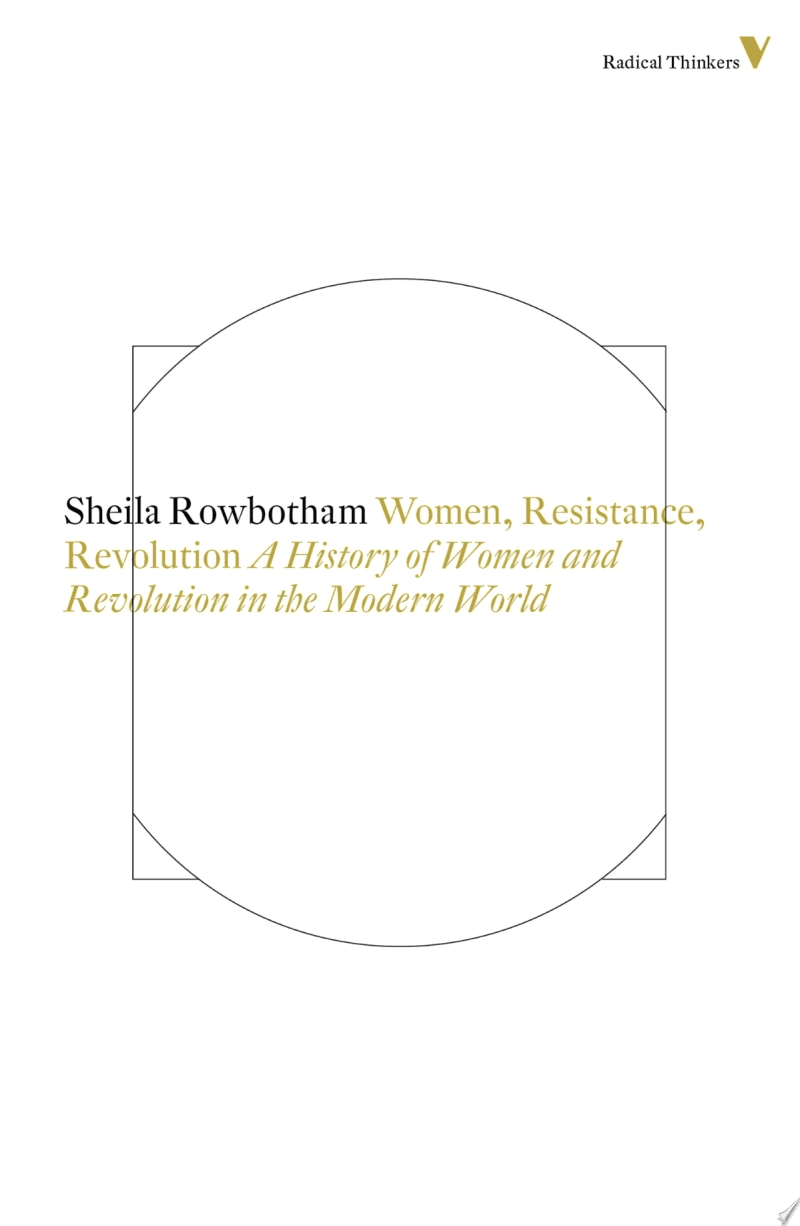
Sheila Rowbotham
This classic book provides a historical overview of feminist strands among the modern revolutionary movements of Russia, China and the Third World. Sheila Rowbotham shows how women rose against the dual challenges of an unjust state system and social-sexual prejudice. Women, Resistance and Revolution is an invaluable historical study, as well as a trove of anecdote and example fit to inspire today’s generation of feminist thinkers and activists.
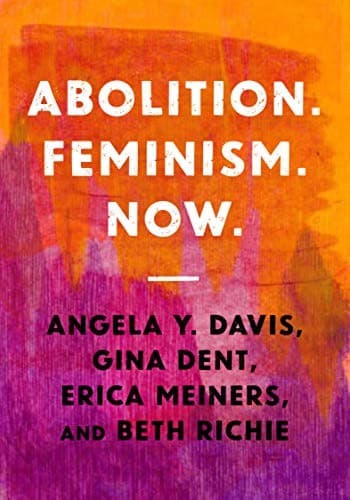
Angela Davis, Gina Dent, Erica R. Meiners & Beth E. Richie
An urgent, vital contribution to the indivisible projects of abolition and feminism from leading scholar-activists Angela Y. Davis, Gina Dent, Erica Meiners, and Beth E. Richie.
Alisa Bierria, Jakeya Caruthers & Brooke Lober (eds)
Abolition Feminisms: Organizing, Survival, and Transformative Practice, offers wide-ranging feminist abolitionist methods for liberation forged in collectivity, radical care, and transformation.
Steven Mayers & Jonathan Freedman (eds)
They are a mass migration of thousands of young people from Central America, yet each one travels alone: solito, solita.
Stephen Armstrong
75 years after the Beveridge Report: The shocking extent of hardship in the UK Right now in the UK, 13 million people live in poverty; one in five children subsist below the poverty line. Figures such as these suggest devastating repercussions for health, education and life expectancy. The new poor, however, is an even larger group than these official statistics suggest, and its conditions are something new to our era. More often than not, these people are the working poor, living precariously and betrayed by austerity. In The New Poverty, Stephen Armstrong tells the stories of the most vulnerable in British society. He explores an unreported country, abandoned by politicians and stranded as the welfare state has shrunk. Furthermore, as benefit cuts continue into 2018 and beyond, Armstrong asks what will be the long-term impact of Brexit and—on the anniversary of the Beveridge Report—what we can do to keep the giants of indigence at bay.
Cal Winslow
A historical analysis of the General Strike of 1919 in Seattle On a grey winter morning in Seattle, in February 1919, 110 local unions shut down the entire city. Shut it down and took it over, rendering the authorities helpless. For five days, workers from all trades and sectors – streetcar drivers, telephone operators, musicians, miners, loggers, shipyard workers – fed the people, ensured that babies had milk, that the sick were cared for. They did this with without police – and they kept the peace themselves. This had never happened before in the United States and has not happened since. Those five days became known as the General Strike of Seattle. Chances are you’ve never heard of it. In Radical Seattle, Cal Winslow explains why. Winslow describes how Seattle’s General Strike was actually the high point in a long process of early twentieth century socialist and working-class organization, when everyday people built a viable political infrastructure that seemed, to governments and corporate bosses, radical – even “Bolshevik.” Drawing from original research, Winslow depicts a process that, in struggle, fused the celebrated itinerants of the West with the workers of a modern industrial city. But this book is not only an account of the heady days of February 1919; it is also about the making of a class capable of launching one of America’s most gripping strikes – what E.P. Thompson once referred to as "the long tenacious revolutionary tradition of the common people." Reading this book might increase the chance that something like this could happen again – possibly in the place where you live.
Ron Ramdin
A classic history of the role of Black working-class struggles throughout the twentieth century In this pioneering history, Ron Ramdin traces the roots of Britain’s disadvantaged black working class. From the development of a small black presence in the sixteenth century, through the colonial labour institutions of slavery, indentureship, and trade unionism, Ramdin expertly guides us through the stages of creation for a UK minority whose origins are often overlooked. He examines the emergence of a black radical ideology underpinning twentieth-century struggles against unemployment, racial attacks and workplace inequality, and delves into the murky realms of employer and trade union racism. First published in 1987, this revised edition includes a new introduction reflecting on events over the past four decades.
Andrea Komlosy
Tracing the complexity and contradictory nature of work throughout history Say the word “work,” and most people think of some form of gainful employment. Yet this limited definition has never corresponded to the historical experience of most people—whether in colonies, developing countries, or the industrialized world. That gap between common assumptions and reality grows even more pronounced in the case of women and other groups excluded from the labour market. In this important intervention, Andrea Komlosy demonstrates that popular understandings of work have varied radically in different ages and countries. Looking at labour history around the globe from the thirteenth to the twenty-first centuries, Komlosy sheds light on both discursive concepts as well as the concrete coexistence of multiple forms of labour—paid and unpaid, free and unfree. From the economic structures and ideological mystifications surrounding work in the Middle Ages, all the way to European colonialism and the industrial revolution, Komlosy’s narrative adopts a distinctly global and feminist approach, revealing the hidden forms of unpaid and hyper-exploited labour which often go ignored, yet are key to the functioning of the capitalist world-system. Work: The Last 1,000 Years will open readers’ eyes to an issue much thornier and more complex than most people imagine, one which will be around as long as basic human needs and desires exist.