106 books available
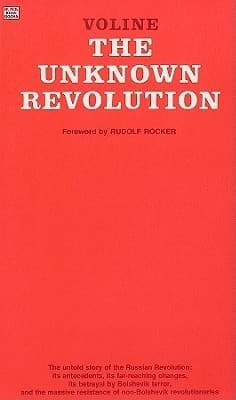
Voline
The untold story of the Russian Revolution: its antecedents, its far-reaching changes, its betrayal by Bolshevik terror, and the massive resistance of non-Bolshevik revolutionaries.
Michael Velli
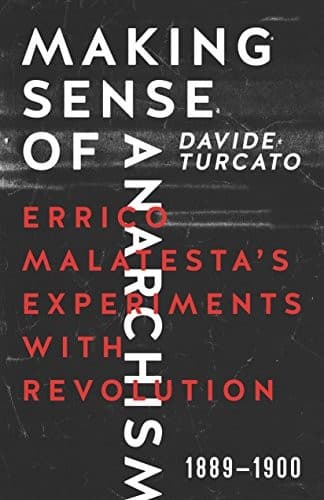
Davide Turcato
Davide Turcato makes the relevance of history dynamically clear. Through a biographical account of Errico Malatesta's revolutionary exploits over a decade, Making Sense of Anarchism is simultaneously a critique of how history is written and an outline of political tensions and debates that continue to this day. Taking traditional historians of anarchism to task for prejudicial characterisation of anarchism as 'irrational', Turcato shows how treating anarchists as rational can help make sense of anarchist tendencies of all eras, including today.
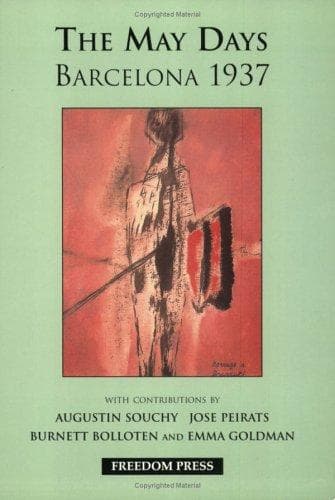
Augustin Souchy et. al
Eyewitness reports of the crushing counter-revolution from Augustin Souchy, Jose Peirats, Burnett Bolloten and Emma Goldman. This 'minor' incident in the Spanish Civil War claimed more casualties in the armed struggle that took place, than in the first week of the military uprising in Barcelona on July 19th 1936.
Steve J. Shone
A convincing argument that the legacy of American Anarchism, far from being an antiquated relic, remains relevant to the present.
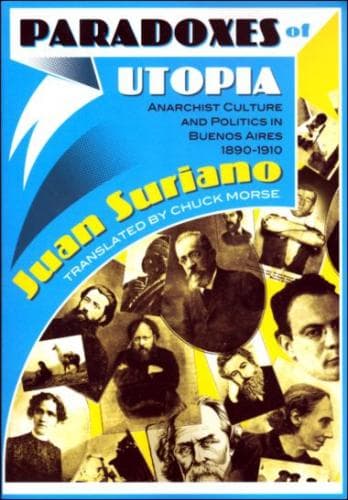
Juan Suriano. Chuck Morse (trans)
A social history of revolutionary ideas and lifestyles.
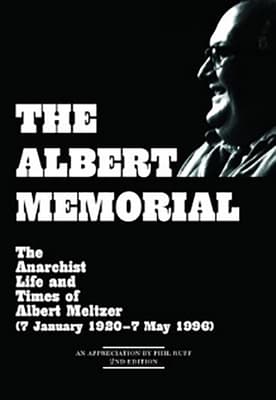
Albert Meltzer
An appreciation to mark the twentieth anniversary of Albert Meltzer's death.
Philip Ruff
The Houndsditch murders in 1910 and the ensuing Siege of Sidney Street, in which Latvian anarchists took on Winston Churchill and the British Army, have entered into folklore. But no-one ever accounted for the mysterious Peter the Painter, supposed to be the leader of the gang and to have escaped during the battle. This book solves the mystery.
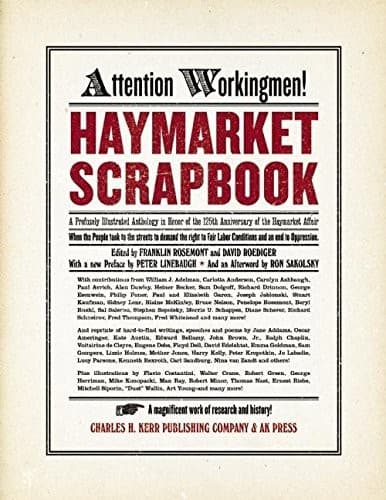
Franklin Rosemount & David Roediger. Charles H
Marking the 125th anniversary of the 1886 bombing at Chicago's Haymarket Square, in a revised, expanded edition, this profusely illustrated anthology reproduces hundreds of original documents, speeches, posters, cartoons and handbills. It also features contributions from many of today's finest labour and radical historians, focusing on the Haymarket affair of 1886-7, its impact, and its enduring influence around the world, including the eight-hour work day.
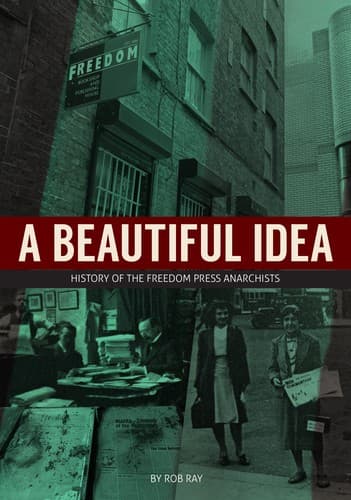
Rob Ray
Freddy Perlman. Darren Poynton (ed)
Freddy Perlman
Brian Morris
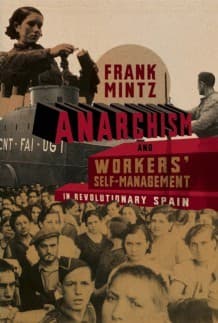
Frank Mintz. Paul Sharkey (trans)
An exposition of the logic, organization, and economics of workers' self-management during the Spanish Revolution.
Cindy Milstein
An accessible and thorough overview of anarchist figures and tendencies in the nineteenth and twentieth centuries.
Albert Meltzer (ed)
The story of the contemporary development of anarchism as told by one of the leading figures in British anarchism.
Gregori Petrovich Maximoff
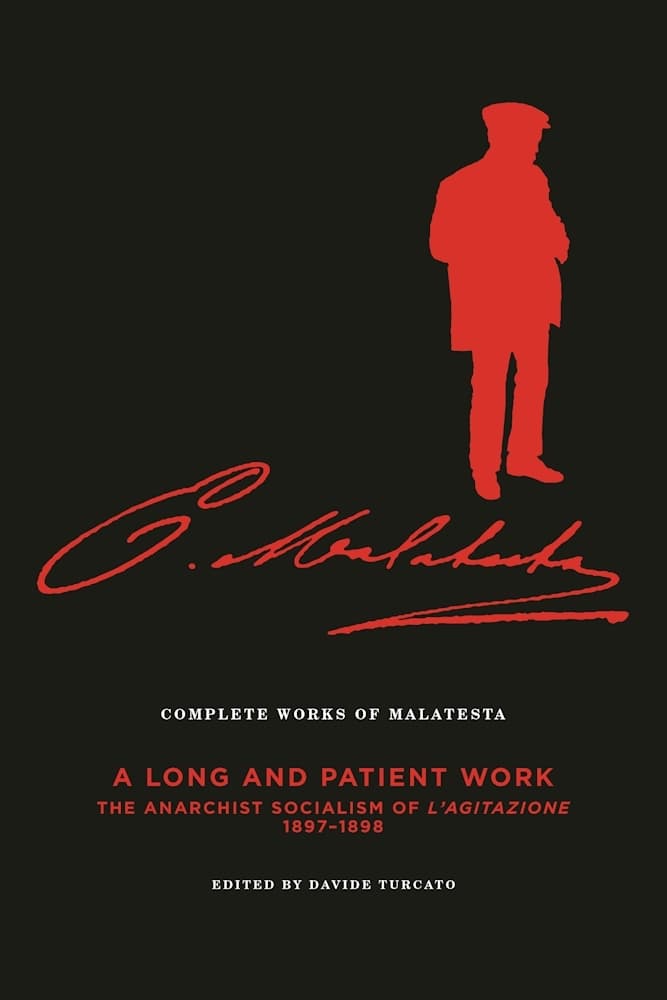
Errico Malatesta. Davide Turcato (ed). Paul Sharkey (trans)
Part of a ten-volume set of Malatesta's Complete Works. For anarchists and non-anarchists alike, Malatesta is considered to be one of the most important writers and strategists in the radical tradition. He lived and helped shape revolutionary movements in Europe, North and South America, and Northern Africa, and is thus relevant to area studies across the globe. This first volume (the third chronologically) focuses on two very important years in Malatesta's life, when he returned to Italy to edit L'Agitazione, considered the most important of his many periodicals.
Errico Malatesta
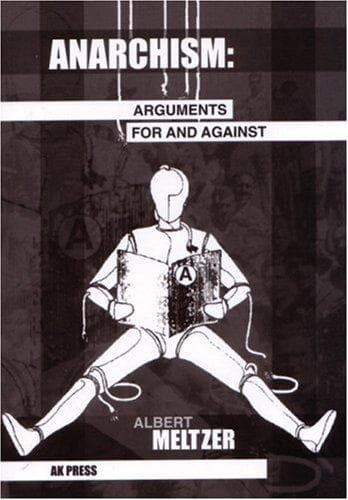
While Malatesta was hiding from the police he regularly went to a cafe in Ancona, Italy. He had shaved off his usual beard but he was still taking a risk. Especially as this wasn't an anarchist cafe, but had a variety of customers including the local policeman. The conversations he had in this cafi became the basis for the dialogues that make up this book. For the first time in English, Malatesta, in his usual commonsense and matter-of-fact style, sets out and critically analyses the arguments for and against anarchism. Translated by Paul Nursey-Bray, this is a classic defence of anarchism that anticipates the rise of nationalism, fascism and communism.
Decio Machado & Raul Zibechi
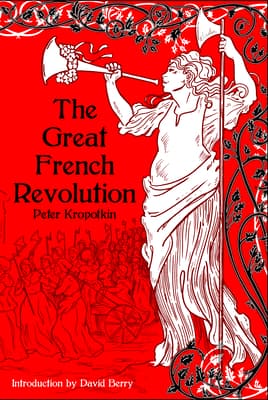
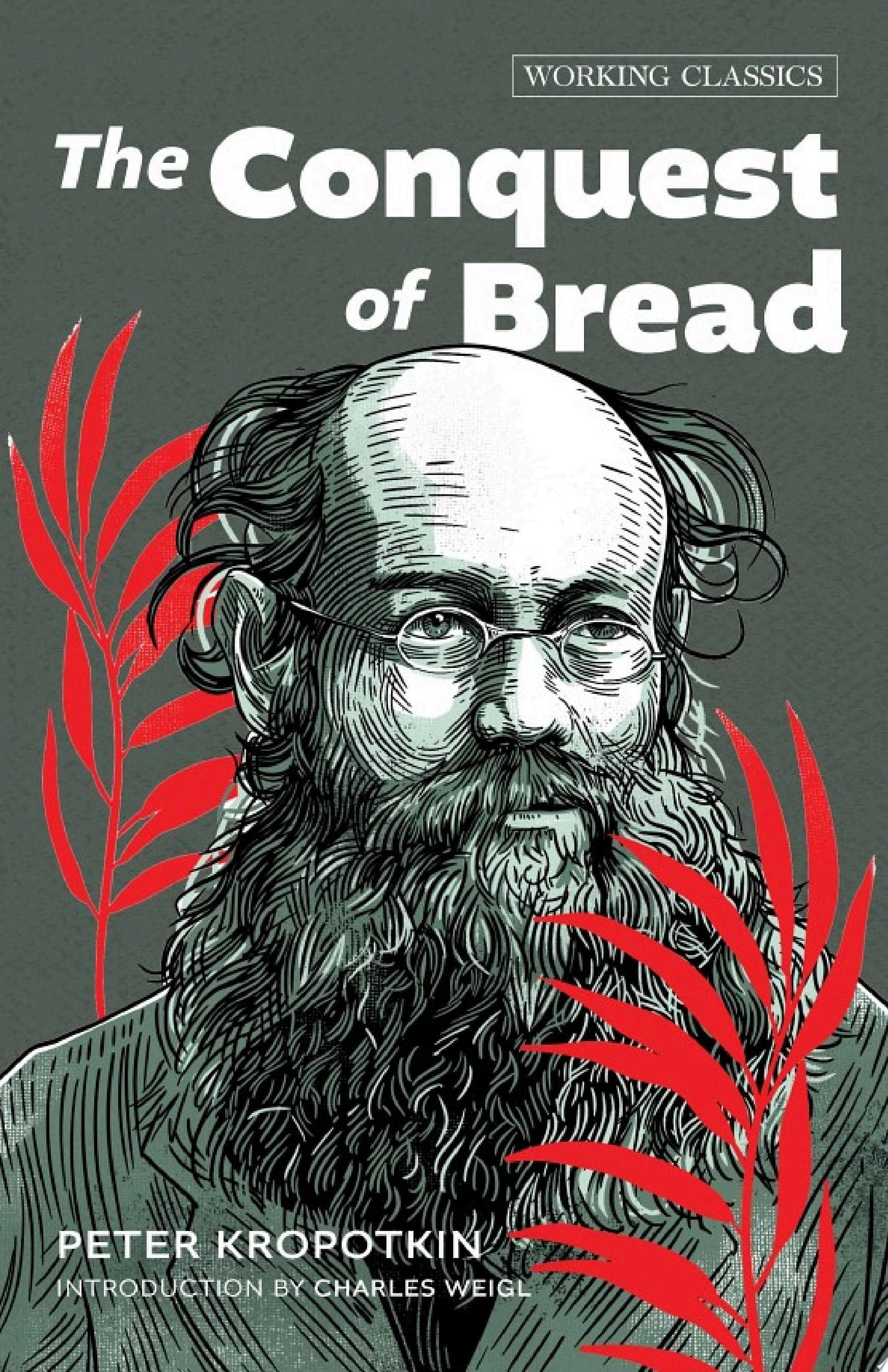
Peter Kropotkin
"This edition is based on the 1909 edition, translated by N.F. Dryhurst"--Editor's note.
A brilliant blueprint for a free society by one of anarchism's most famous theorists. The Conquest of Bread is Peter Kropotkin’s most extensive study of human needs and his outline of the most rational and equitable means of satisfying them. The most important and widely read exposition of anarchist economic theory, its combination of detailed historical analysis and far-reaching utopian vision is a step-by-step guide to social revolution: the concrete means of achieving it and the new world that humanity is capable of creating. Writing in a way that he describes as "moderate in style, but revolutionary in substance," Kropotkin adeptly translates complex ideas into common language, while rendering the often-amorphous aspirations of social movements into coherent form. Includes an introduction that historically situates and discusses the contemporary relevance of Kropotkin’s ideas. The Working Classics Series revives lineages of radical thought from the history of the anarchist movement.